In today’s messaging world, acronyms and short codes pop up everywhere you type. One of the most commonly used shorthand terms is dnd meaning—a phrase you might’ve seen in chats, social media captions, or even work messages. If you’ve ever wondered what it stands for or how to use it without sounding abrupt or confusing, you’re not alone. This article will walk you through everything you need to know about dnd meaning text, how it’s used, and how you can respond appropriately when someone sends it in a message.
What Does DND Actually Mean?
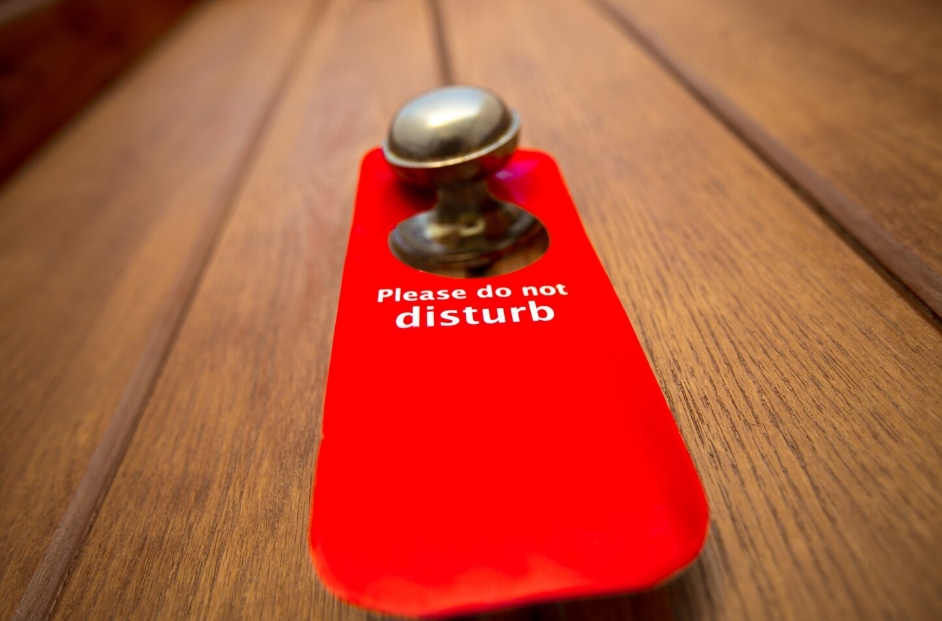
DND stands for Do Not Disturb, and in texting this generally means one thing: the person doesn’t want to be interrupted.
When someone sends a message like “DND for a bit, will reply later,” they’re using DND meaning text to politely signal that they need time, space, or uninterrupted focus without having to type a long explanation. It’s a clear boundary signal that works in casual and professional conversations alike.
This shorthand has become widespread because messaging moves quickly and many people prefer brief phrases that convey immediate intent. Instead of saying “I’m busy and can’t reply right now”, three simple letters do the job effectively.
Where You’ll See DND in Text and Chat
DND has become a widely recognized shorthand across multiple digital platforms. Whether you’re texting a friend or communicating at work, knowing where and how it’s used can help avoid misunderstandings.
-
Messaging Apps
On platforms like WhatsApp, Telegram, and iMessage, people often use DND when they don’t want messages or calls for a while. For example:
“Studying rn, DND till 8.”
Here, it’s essentially telling the receiver not to expect a reply until you’re available again. This usage fits neatly with dnd meaning text and is understood globally across different messaging interfaces.
-
Social Media Platforms
On Instagram, Snapchat, TikTok, and other social platforms, users sometimes add DND to their bio or story to signal a break:
- Instagram Story: “Working — DND for today.”
- Snapchat message: “DND, catch up later.”
In these environments, DND functions as a kind of status update, letting people know you’re not ignoring them out of disrespect—you’re just unavailable.
-
Work Chats and Professional Messaging
In workplaces where chat tools like Slack or Microsoft Teams are common, DND gets used to communicate focus time smartly:
“On a client call. DND until 3 PM.”
Such use signals that you’re busy, not trying to avoid communication altogether. It helps prevent unnecessary pings and keeps expectations clear.
Alternative Meanings of DND
While Do Not Disturb is the dominant interpretation in text and chat, there are other meanings depending on context:
- Dungeons & Dragons — common in gaming communities.
- Do Not Delete — seen in shared documents or team chats.
- Daily News Digest — sometimes used in newsletter circles.
Because of this, understanding the conversation’s context is important before assuming the meaning. If it’s a gaming chat, Dungeons & Dragons might be intended; in regular messaging, however, it’s most likely Do Not Disturb.
Why People Use DND in Chats
There are a few key reasons this shorthand has stuck around:
- Quick Communication: It’s faster than typing a long explanation.
- Sets Clear Boundaries: It tells others when you’re temporarily unavailable.
- Reduces Misunderstandings: When used correctly, it makes expectations clear.
Instead of letting someone wait for a response with no context, DND lets you manage your availability in a respectful way.
Common Situations Where You Might Use DND
Here are some real-life examples of how dnd meaning text works in everyday messaging:
- Studying or Working: “DND till 6, final review.”
- Resting or Sleeping: “Phone on DND, back later.”
- Meetings: “In a meeting — DND.”
- Traveling: “On a trip. DND.”
In each case, the message is short, respectful, and communicates that the sender needs uninterrupted time.
How to Respond When You See DND in a Message
If someone texts you with DND, the best response is simple:
- “Okay, talk later!”
- “Got it — thanks for letting me know.”
Avoid sending repeated messages while they’re in DND mode. Respecting boundaries keeps communication smooth and avoids frustration on both sides.
Final Thoughts
Understanding dnd meaning text gives you a better handle on modern messaging habits. It’s a way to communicate that you need uninterrupted time without sounding disrespectful or distant. Whether you use it in casual chats or professional messages, being clear and polite makes your communication more effective.
When used correctly, DND acts as a simple boundary signal that keeps digital conversations smooth and expectations understood. So the next time you see three letters pop up in a chat, you’ll know exactly what they stand for—and how best to respond.
Frequently Asked Questions (FAQs)
Q1. What does DND mean in texting?
DND stands for Do Not Disturb. It is used in texts and chats to indicate that someone is busy or temporarily unavailable. Using dnd meaning text helps others understand that they should not expect an immediate reply.
Q2. Can DND be used in professional communication?
Yes, DND is often used in workplaces to show focus time. For example, messages like “DND until 3 PM, working on a project” let colleagues know you are unavailable but will respond later.
Q3. Does DND only mean Do Not Disturb?
No, DND can have other meanings depending on context, such as Dungeons & Dragons in gaming or Do Not Delete in documents. In texting, however, it almost always means Do Not Disturb.
Q4. How should I respond when someone texts DND?
The best response is polite and brief, such as “Okay, talk later!” or “Got it, no problem.” Avoid messaging repeatedly while they are in DND mode to respect their boundaries.
Q5. Is using DND considered rude?
Not at all. Using DND meaning text is generally polite, especially if you include a reason or time frame. It communicates that you need uninterrupted time without ignoring the sender.