English can be tricky, especially when two words look almost the same but have very different meanings. A common question many learners face is the difference between scrap or scrape — two words that are often mixed up due to their similar spelling and sound. Using the wrong word can make your writing unclear, awkward, or even misleading.
In this article, you will learn how each word works, when to use it, and practical examples that make the difference easy to remember. You’ll also find tips to avoid common mistakes and guidance on using these words in everyday conversation, professional writing, and even idiomatic expressions. By the end, you’ll be able to confidently use scrap or scrape in the right context every time.
What Scrap Really Means
The word scrap has both noun and verb forms, but its meaning always revolves around removal, cancellation, or leftover pieces.
As a Noun
When used as a noun, scrap often refers to small leftover pieces of material or fragments. For example:
- “I kept a scrap of paper with the meeting notes.”
- “The factory produces scraps of cloth that can be reused.”
In these examples, scrap emphasizes small portions of a larger object that are no longer needed in their original form. This usage is common when discussing materials, recycling, or even bits of information.
As a Verb
As a verb, scrap means to cancel, discard, or abandon something intentionally. Examples include:
- “The company scrapped the old marketing strategy.”
- “We had to scrap the weekend plans because of unexpected rain.”
Here, scrap communicates the deliberate removal of something, either because it’s no longer useful, outdated, or impractical. In professional writing, using scrap correctly ensures that your audience understands what has been abandoned or replaced.
What Scrape Really Means
Unlike scrap, scrape focuses on action, often involving rubbing, scratching, or physical contact.
As a Verb
Scrape as a verb describes the act of removing something by rubbing or scratching:
- “He scraped the mud off his boots before entering the house.”
- “She scraped the frost from her car windshield in the morning.”
In addition to literal actions, scrape appears in figurative expressions:
- scrape through – barely succeed
- scrape together – gather something with difficulty
These idiomatic uses are common in everyday English and professional contexts, making scrape a versatile word beyond physical action.
As a Noun
As a noun, scrape refers to either:
- The mark or injury caused by rubbing or friction:
- “He got a scrape on his knee while playing soccer.”
- A minor problem or difficult situation:
- “She found herself in a scrape after missing the deadline.”
By understanding both literal and figurative uses, you can confidently identify when scrape is appropriate.
Quick Comparison: Scrap vs. Scrape
Deciding whether to use scrap or scrape is all about context:
| Word | Function | Core Meaning | Example Sentence |
| Scrap | Noun / Verb | Leftover piece or discard/cancel something | “We scrapped the outdated report.” |
| Scrape | Noun / Verb | Rubbing, scratching, or minor problem | “She scraped her hand on the fence.” |
Tip: If the sentence involves removal by friction or minor injury, use scrape. If it involves cancellation or leftover fragments, use scrap.
Grammar & Practical Usage
Correct Use of “Scrap”
- As a noun: “I found a scrap of cardboard under the table.”
- As a verb: “They scrapped the old software update because it caused errors.”
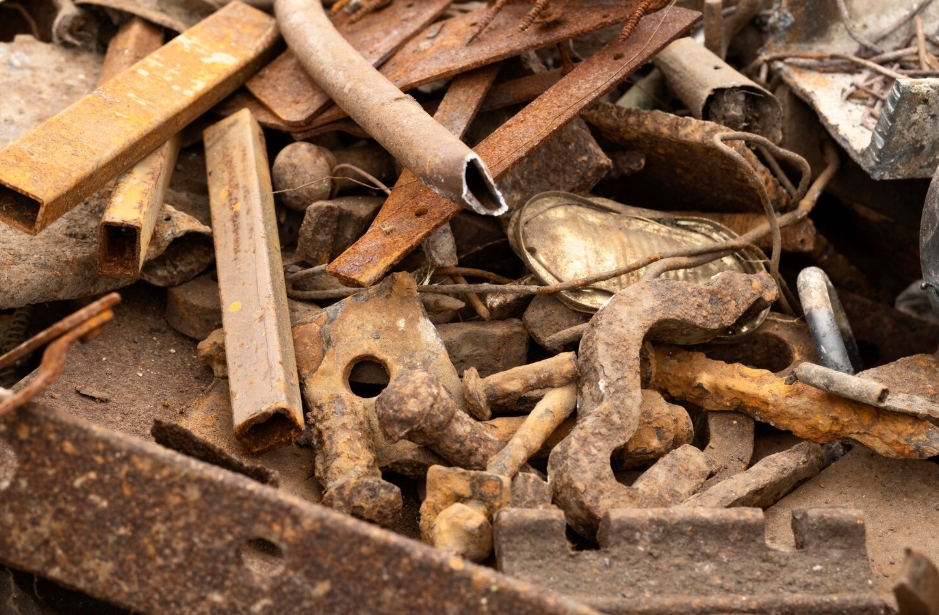
Scrap appears in common phrases like scrap paper, scrap metal, and scrap the idea. These expressions highlight its use in recycling, project management, and casual conversation.
Correct Use of “Scrape”
- As a verb: “He scraped the snow off the driveway.”
- As a noun: “After falling off his bike, he had a scrape on his elbow.”
Idiomatic uses include:
- scrape through the exam – barely pass
- scrape together enough money – collect with difficulty
Scrape often appears in both casual speech and descriptive writing, which makes mastering it important for learners and native speakers alike.
Common Mistakes and How to Avoid Them
Mistakes occur because scrap and scrape look and sound similar. One common error is:
- “We scraped the old project” instead of “We scrapped the old project”.
Other frequent mistakes include using scrap to describe an injury:
- Wrong: “She scrapped her knee.”
- Correct: “She scraped her knee.”
Tips to Avoid Confusion
- Focus on context: discard/cancel → scrap; rubbing/scratching → scrape.
- Learn common collocations:
- Scrap → scrap paper, scrap metal, scrap the plan
- Scrape → scrape off, scrape together, scraped knee
- Use mental images: Imagine throwing something away (scrap) vs. rubbing a surface (scrape).
- Practice sentences regularly to reinforce correct usage.
Real-World Examples
Everyday Sentences
- “I saved a scrap of fabric from the sewing project.”
- “He scraped the sticker off his laptop.”
- “They decided to scrap the old proposal and start over.”
- “She got a scrape on her wrist while gardening.”
Professional & Academic Contexts
- “The company scrapped its outdated policy to comply with new regulations.”
- “The technician scraped the rust from the metal surface before painting.”
These examples show that understanding the difference improves clarity in both casual and formal communication.
Idioms and Phrasal Verbs
- Scrap → scrap paper, scrap metal, scrap the idea
- Scrape → scrape off, scrape together, scrape through
Knowing these phrases helps you naturally use each word in conversation and writing.
Why Getting It Right Important
Correctly using scrap or scrape ensures that your writing is precise and clear. Misusing these words can confuse readers or make sentences awkward. For example, “We scraped the policy” implies a physical action, not cancellation.
Using the right word is especially important in professional emails, reports, and project documentation. It also demonstrates strong English skills and attention to detail. Learning the distinction and practicing it in real-life situations strengthens your vocabulary and improves overall communication.
Frequently Asked Questions (FAQs)
Q1. Can “scrap” and “scrape” ever mean the same thing?
No, they have entirely different meanings and are not interchangeable.
Q2. Is “scraping” used in technology?
Yes, in web development, scraping means extracting data from websites, which is unrelated to discarding or leftover pieces.
Q3. Are “scrapped” and “scraped” the same?
No. Scrapped = discarded, canceled; scraped = rubbed, scratched, or minor injury.
Q4. How do I remember the difference?
Think: scrap = cancel or leftover pieces; scrape = rubbing, scratching, minor injury or difficulty. Collocations also help reinforce memory.
Q5. Can these words appear in idioms?
Yes. Scrap → scrap the plan, scrap metal; Scrape → scrape off, scrape together, scrape through.
Wrapping Up
Understanding the difference between scrap or scrape is crucial for clear and effective English. While scrap deals with discarding, canceling, or leftover pieces, scrape focuses on rubbing, scratching, or minor difficulties. Misusing these words can change the meaning of a sentence or make your writing confusing.
By practicing sentences, learning collocations, and paying attention to context, you can confidently use scrap or scrape in everyday, professional, and academic writing. Mastering these words strengthens your vocabulary, improves your writing precision, and makes your English more professional and natural.