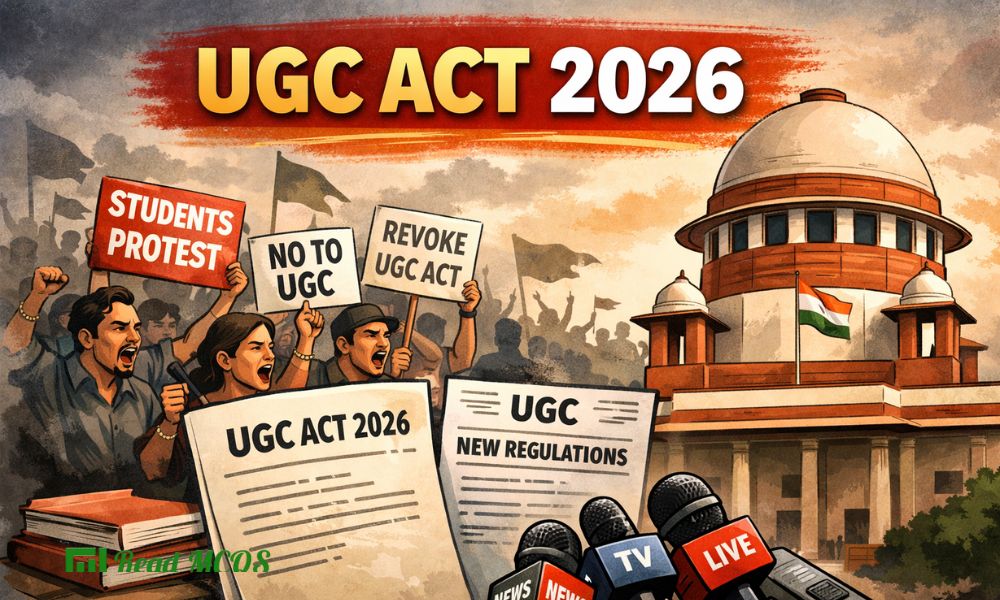
In January 2026, the University Grants Commission introduced new regulations aimed at making Indian higher education campuses more inclusive and equitable. Often referred to in media and student discussions as the UGC Act 2026, these rules officially titled Promotion of Equity in Higher Education Institutions Regulations, 2026 are designed to prevent discrimination, ensure equal opportunity, and create safer campus environments for all students and staff.
Commonly called UGC new rules, they establish Equal Opportunity Centres (EOCs), Equity Committees, and 24×7 grievance helplines, along with clear timelines for addressing complaints. While the regulations have been hailed as a step toward fairness and accountability, they have also sparked debate and controversy, leading to campus protests and legal challenges.
Why UGC New Rules Were Introduced
The UGC says these equity regulations are necessary because caste‑based discrimination complaints in higher education have risen sharply over recent years, according to its own data rising from around 173 cases in 2016‑17 to more than 350 in 2023‑24. The intent is to ensure safer, more inclusive campuses where grievances are heard and resolved swiftly.
Under these UGC new rules, every higher education institution must set up:
- Equal Opportunity Centres (EOCs) to address discrimination claims and provide support.
- Equity Committees with a prescribed mix of representatives (including members from SC/ST/OBC, women, persons with disabilities) to review complaints.
- Equity Helplines and rapid action timelines for addressing allegations and reporting findings.
Key Provisions of the Regulations
The UGC 2026 rules emphasize:
- Equal Opportunity Centres (EOCs): Every institution must set up EOCs to serve as the first point of contact for complaints of discrimination or harassment. These centers also raise awareness, provide guidance, and ensure students from all backgrounds feel supported.
- Equity Committees: Universities must form committees including representatives from SC, ST, OBC communities, women, and persons with disabilities. These committees review complaints, monitor compliance, and advise on inclusive campus policies.
- Equity Squads: Dedicated teams actively monitor campus activities, conduct awareness workshops, and ensure that anti-discrimination measures are being implemented effectively.
- Timelines for Resolution: Complaints must be addressed promptly, with clear deadlines for initial review and final action, ensuring accountability and swift resolution.
- Reporting to UGC: Institutions must regularly report grievances, outcomes, and compliance measures to the UGC, allowing for national-level monitoring and oversight.
- Proactive Awareness: The regulations encourage continuous education, workshops, and campaigns to foster a culture of inclusivity and prevent discrimination before it occurs.
- Structured Accountability: By combining rapid grievance redressal, active monitoring, and oversight, the rules aim to create a reliable, transparent, and responsive system for all students and staff.
Campus Backlash and Protests
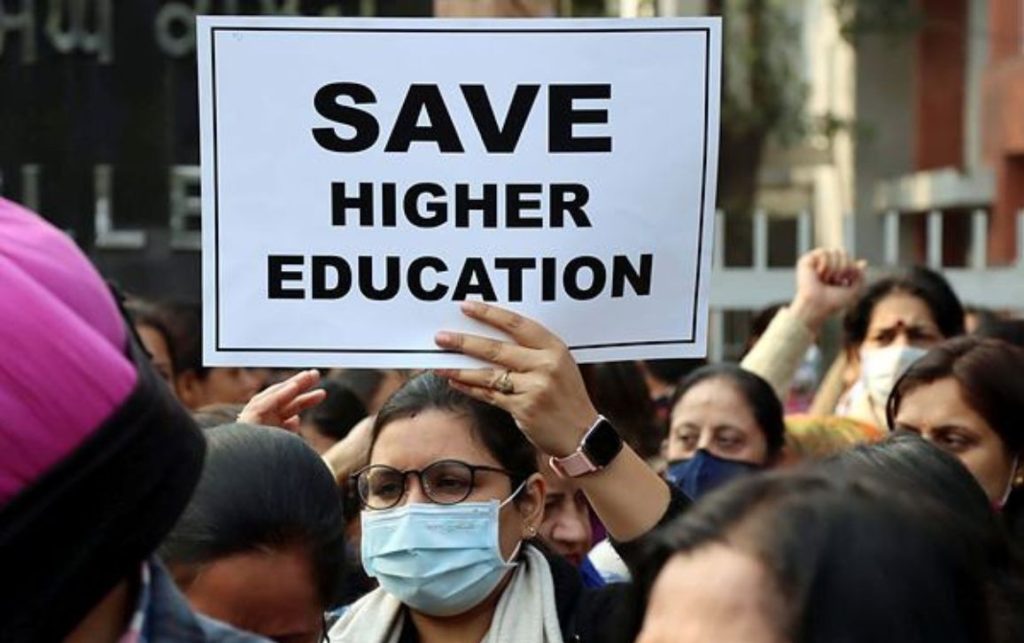
The UGC new rules under the UGC Act 2026 have sparked widespread reactions, with both strong opposition and support across Indian campuses. Key aspects of the backlash include:
- Student Concerns: Many students argue that the rules favour SC, ST, and OBC categories while overlooking complaints from general category students. This perceived imbalance has led to protests at Lucknow University, Delhi University, Jaipur University, and several other institutions.
- Fear of Misuse: Critics worry that broad definitions of discrimination, especially “implicit discrimination”, could be misused, potentially resulting in false or arbitrary complaints against students or faculty.
- Political Pushback: Some regional leaders and political groups describe the regulations as biased or exclusionary, creating heated debates in both state and national forums.
- Campus Unrest and Mobilization: Students have organized demonstrations, signature campaigns, and online petitions, signalling widespread concern and engagement with the issue across the country.
- Supportive Voices: Not all reactions are negative. Certain student organizations and advocacy groups believe the regulations are necessary for inclusivity, promoting safer campuses and addressing historical social biases.
Overall, the backlash reflects the tension between the intention of the regulations to foster equity and inclusion and the perception of unequal treatment or potential misuse on campuses nationwide.
The PIL Challenging the UGC Act 2026
A major development in the controversy over the UGC Act 2026 is the Public Interest Litigation (PIL) filed in the Supreme Court of India. This PIL challenges certain provisions of the regulations, bringing the dispute into the highest judicial forum.
Main Points of the PIL
- The petition specifically targets Regulation 3(c), which defines “caste-based discrimination” as applicable only to SC, ST, and OBC students and staff.
- Petitioners argue that this definition excludes general category students, which they claim violates Articles 14, 15, and 21 of the Constitution, ensuring equality, non-discrimination, and the right to dignity.
- The PIL seeks the following remedies from the Supreme Court:
- Strike down Regulation 3(c) as unconstitutional in its current form.
- Direct the UGC to adopt a caste-neutral definition of discrimination.
- Ensure all students and staff, regardless of caste, have access to Equal Opportunity Centres (EOCs), helplines, and grievance mechanisms.
This PIL has transformed the debate from campus protests into a constitutional review, making it a landmark moment for higher education governance and anti-discrimination policy in India.
Conclusion
The UGC Act 2026 and its new rules, despite aiming to promote equity, risk creating unequal treatment on campuses. By limiting protections primarily to SC, ST, and OBC students, the regulations exclude general category students, raising concerns about fairness and potential discrimination. Broad definitions like “implicit discrimination” could also lead to misuse or arbitrary complaints, increasing campus tension rather than reducing it. Without proper safeguards, clear communication, and balanced implementation, these rules may undermine merit and campus harmony. The ongoing protests and the Supreme Court PIL highlight that, in its current form, the act may do more harm than good.
Frequently Asked Questions (FAQs)
1. What is the UGC Act 2026?
The UGC Act 2026 refers to the Promotion of Equity in Higher Education Institutions Regulations. It introduces rules to prevent discrimination, ensure equal opportunity, and make campuses safer for all students and staff.
2. What are the key provisions of the UGC Act 2026?
The act mandates:
- Equal Opportunity Centres (EOCs) for grievance support
- Equity Committees with diverse representatives
- Equity Squads for monitoring
- Helplines and strict timelines for complaints
- Regular reporting to UGC
3. Why were these rules introduced?
Caste-based discrimination complaints in colleges rose sharply, from 173 in 2016‑17 to over 350 in 2023‑24. The regulations aim to address this gap and ensure fair treatment.
4. Who is affected by these rules?
Students, faculty, and staff in higher education institutions across India. However, the current rules mainly protect SC, ST, and OBC categories, which has caused criticism.
5. Why are there protests against the UGC Act 2026?
Students protest because the rules exclude general category students and vague terms like “implicit discrimination” could be misused, risking unfair complaints and campus tension.