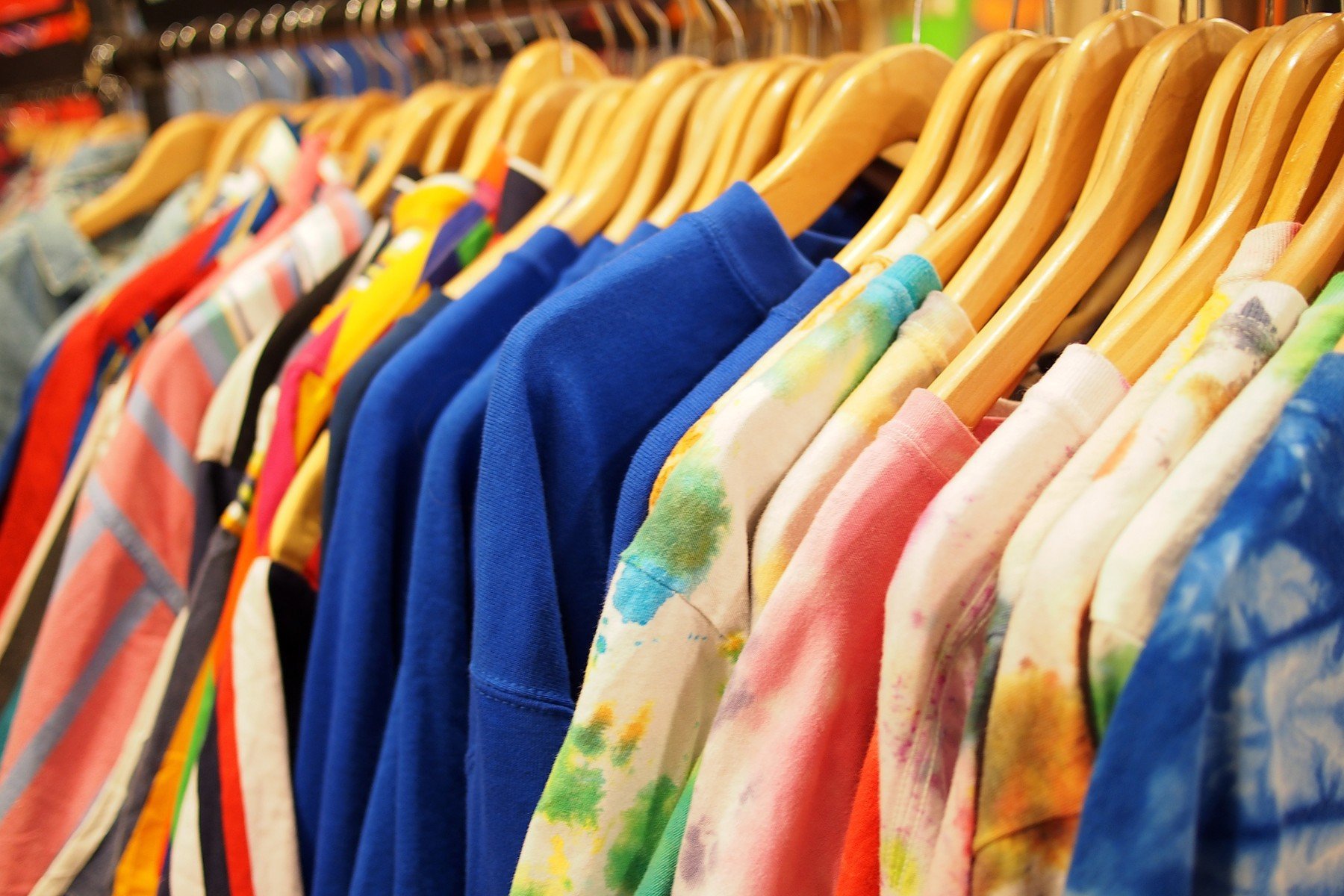
Delicate fabric is like a quiet friend. It needs care. When the sewing needle runs fast, it gets hot. Heat can burn the hole. It can leave shiny rings. It can make tiny cracks that grow after wash. The right thread lets the needle to run cool and smooth. The right thread will protect delicate fabrics like silk, satin, chiffon, lace, etc. This guide shows easy steps your team can use today.
Why needle heat happens
Friction makes heat. The needle rubs cloth at high speed. The thread rubs the needle eye and guides. Thick stacks, sticky coatings, and hard corners add more rub. Dry thread raises heat. A dull or wrong needle point raises heat too. When heat is high, the hole grows and the rail gets glossy. On films and coated panels the damage shows even more. So we control friction first.
Thread types that run cool
Fine corespun polyester
A strong filament core sits inside a soft wrap. The wrap grabs fabric gently. It guides the stitch without heavy drag. This is a calm choice for most delicate wovens and light knits.
Micro filament polyester
Very smooth surface. Low friction in the needle eye. Good when you need crisp topstitch on silky cloth. Control tension well or it can feel too slick.
Bonded high tenacity polyester in small ticket
Bond ties stray fibers. Lint stays low. Guides stay clean. Use the smallest ticket that still passes strength so holes are small.
Textured polyester in loopers
Bulky and soft. Fills the stitch and lowers ridge height on hems. Textured thread helps reduce rub on the skin side. Trilobal polyester thread for machine embroidery.
Pick the lightest ticket that still passes seam pull on your real stack. Smaller ticket means smaller needle. Smaller needle makes smaller holes. Less heat. Less damage.
Finishes that fight heat
Good lubrication matters. Choose smooth low VOC finishes that keep glide at speed. They cut friction in the needle eye and at guides. If your style needs anti wicking at exposed seams, use a route that still sews cool and does not block bond nearby. Ask for finish data and test on stitched coupons before bulk.
Needles that protect the cloth
The needle is the first contact.
- Use micro or light round point on delicate wovens like silk and satin.
- Use ball point or stretch point on soft knits so loops are parted, not cut.
- On coated or sticky panels, choose coated micro round needles to reduce friction and shine.
- Start around NM 60 to 80 for very light fabrics. Go up only if layers demand it.
Change needles by hours, not guess. A tired point makes heat even with good thread.
Stitch geometry that reduces heat
Too many holes crowd the cloth and create a dotted tear line. Calm geometry keeps the rail cool and neat.
- Construction stitch length 3.0 to 3.4 millimeters on many delicate wovens.
- Many knits 2.8 to 3.2 millimeters.
- Topstitch 3.4 to 3.8 millimeters for an even look.
- Corners with a 6 to 8 millimeter radius to avoid heat build at tight turns.
- A light stitch channel presses the rail slightly lower. The foot glides over the seam with less rub.
Machine setup that helps
Speed is heat. Slow a little on thick step ups and coated panels. Keep top tension moderate so the lock sits inside the cloth, not on top. Lower presser foot pressure on light fabrics. Polish plates and feet. Burrs make lint and friction. Clean guides every break when sewing microfibers. Small habits cut heat by a lot.
Fabrics that need extra care
- Silk and satin shine fast. Use fine corespun or micro filament, micro point, and longer steps. Press under cloth.
- Chiffon and georgette tear if holes are big. Use tiny needles and the lightest passing ticket. Support with paper under seams if needed.
- Faux leather and coated shells show gloss rings. Use coated micro round needles, longer stitches, and cool dwell at presses.
- Light ripstop nylon can ladder. Use fine corespun and rounded corners. Do not crowd holes near stress points.
Simple tests before you scale
- Hot ring test
Stitch a coupon. Run at planned speed for one minute. Inspect the seam under light. If you see shiny rings or sink, drop needle size, lengthen stitch, or pick a smoother finish. - Press and dwell check
Press the stitched coupon at your hottest station setting. If the rail shrinks or gloss appears, lower dwell or place a press cloth. Confirm the thread finish still glides after pressing. - Pucker and relax
Sew, wash, press once, and rest 24 hours. If waves remain, use a smaller needle or lighten top tension. - Abrasion on seam
Rub the seam with a soft pad for a set count. If fuzz appears early, move to bonded thread at the same ticket or add a light stitch channel. - Corner flex
Bend corners 10k times on a small jig. If cracks show, increase corner radius and use two slim rows 2 to 3 millimeters apart.
Troubleshooting quick table
| Problem | Likely cause | Fast fix |
| Gloss around holes | Needle heat and friction | Coated micro round needle, smoother finish, slow on step ups |
| Pucker on light fabric | Big needle or short stitch | Smaller needle, 3.2 to 3.6 mm, balance tension |
| Tiny cracks near corner | Tight radius and hole crowding | Radius 6 to 8 mm, double rail, press channel |
| Lint and thread breaks | Rough plates or low bond | Polish parts, bonded thread, scheduled cleaning |
| Bond lift near seam | Finish blocking glue or glue flooding holes | Check finish, narrow lane to 3 to 4 mm, cool clamp 2 to 3 seconds |
Tech pack lines you can copy
- Thread fine corespun polyester for construction, micro filament for crisp top lines, bonded high tenacity in small ticket at stress points, textured polyester in loopers for soft hems
- Needles NM 60 to 80, micro or light round on wovens, ball point on knits, coated micro round on coated panels
- Stitch construction 3.2 millimeters, top lines 3.6 to 3.8, double rail 2.5 millimeters apart in stress zones, stitch channel required on visible rails
- Corners radius 7 millimeters minimum
- Process moderate tension, low foot pressure on light cloth, polish plates, clean guides per break
- Tests hot ring, press dwell, pucker and relax, abrasion on seam, corner flex
Wrap
Needle heat damage is not a mystery. It is friction. Good thread lowers friction and keeps the needle cool. Small needles make small holes. Calm stitches protect the rail. Clean hardware cuts lint. A few short tests confirm the setup. Choose fine smooth threads, friendly needles, and gentle geometry. Then delicate fabrics stay beautiful from sample to store and beyond.