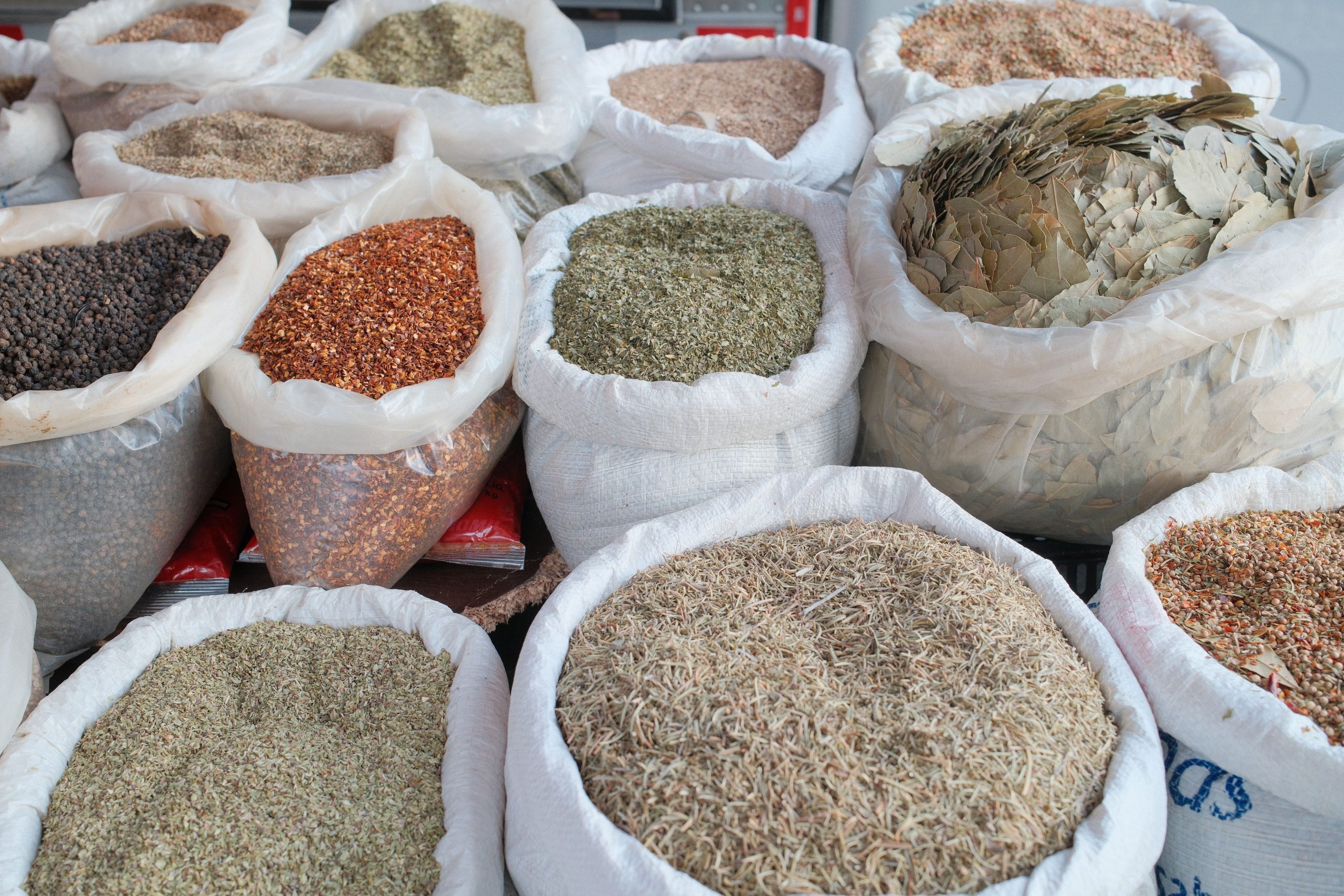
India exports spices to over a hundred countries, and the industry’s global reputation for quality is genuinely strong. What surprises many first-time exporters, though, is how much of a buyer’s decision comes down to process documentation and packaging standards rather than the spice itself. A supplier with excellent product but weak documentation loses deals to a supplier with merely good product and airtight paperwork, more often than the industry likes to admit.
The Gap Between Product Quality and Export Readiness
Most Indian spice manufacturers competing for export contracts already produce a genuinely high quality product, since the raw material and processing knowledge in this industry runs deep. Where deals fall apart is usually further down the checklist, in areas that have little to do with taste or aroma and everything to do with whether a buyer can trust the shipment will arrive consistent, compliant, and exactly as specified.
What Buyers Actually Verify
Weight and fill consistency across a batch gets checked more rigorously than most new exporters expect. International buyers, particularly in regulated markets, often sample multiple units from a shipment and expect the variance between them to be minimal. A supplier whose packing process shows wide fill weight variation raises a red flag before a single conversation about price even happens.
Moisture and contamination barriers in the packaging itself matter as much as the product’s condition at the moment of packing, since spices are highly sensitive to humidity during long shipping transit times. Buyers frequently ask specific questions about film material and barrier properties, not just visual packaging appearance.
Batch traceability documentation has become close to mandatory for serious buyers, who want to know they can trace a specific shipment back to its production batch, raw material source, and processing date if any quality issue arises after delivery.
Seal integrity under transit stress gets tested more than manufacturers realise, since a shipment that travels for weeks by sea faces very different handling stress than a product moving to a domestic retailer, and buyers have learned to specifically ask about seal testing under these conditions.
Where Manufacturers Lose Export Deals Without Realising It
The most common pattern is a manufacturer assuming that because their product has sold well domestically for years, export readiness is simply a paperwork formality. In reality, domestic retail tolerance for minor fill weight variation or basic packaging is often much higher than what international buyers expect, which means a manufacturer’s existing process, however well established, may need real changes before it meets export standards.
Building Export Readiness Into the Packing Process
The manufacturers who win repeat export business tend to be the ones who treat packing consistency as a competitive asset rather than a compliance checkbox. This usually means investing in dosing accuracy that holds tight tolerances batch after batch, and in packaging materials chosen specifically for the barrier properties export shipping demands rather than whatever was cheapest for domestic sale.
Equipment providers like Arceus India work with manufacturers navigating exactly this transition, since export readiness usually comes down to the same underlying accuracy and consistency that domestic buyers simply never tested for as strictly. For spice manufacturers specifically, a properly calibrated spices packing machine with reliable fill weight accuracy is often the single change that moves a supplier from domestic-only to genuinely export-ready.
Global buyers are not looking for perfection, they are looking for evidence that a supplier’s process is consistent and documented enough to trust at scale, and building that evidence into the packing process itself is usually far more effective than trying to explain it away in a sales conversation.