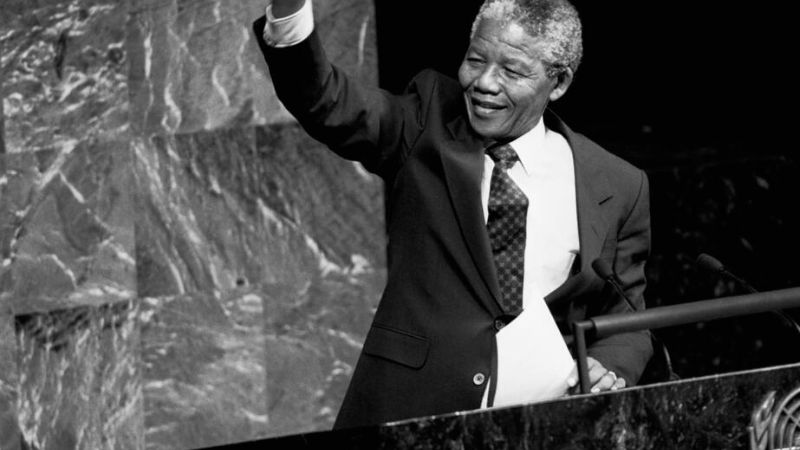
Nelson Mandela’s Long Walk to Freedom captures one of the most important moments in South African history: the end of apartheid and the establishment of democratic government. On 10 May 1994, Mandela took the oath as South Africa’s first Black president. During his inauguration speech, he spoke about the country’s newly achieved freedom and described it as newborn liberty. But why does mandela address the freedom as newborn liberty? He uses this expression because the country was entering a new phase after decades of racial oppression. The democratic transition gave millions of people the opportunity to enjoy political rights, equality and a future without legally enforced racial discrimination.
Why Does Mandela Address the Freedom as Newborn Liberty?
Mandela addresses freedom as newborn liberty because South Africa had only recently moved from apartheid to democratic rule. For many years, the Black majority had lived under laws that denied them equal political rights and restricted their freedom in their own country. They could not participate in national elections on equal terms with white citizens. The democratic elections held in April 1994 finally changed this situation.
The word “newborn” is important because it describes something that has just begun. Mandela compares South Africa’s newly achieved liberty to the birth of a child. Just as a newborn child begins a new life, the country was starting a new chapter in which people of different races could share equal citizenship. The end of apartheid was not simply a political change; it marked the beginning of a different way of living together.
Mandela also recognised that this freedom needed to be protected and developed. Years of racial discrimination had created serious divisions, and changing the government could not immediately solve every problem. South Africans had to work towards a society where justice, equal opportunities and mutual respect were part of everyday life. Therefore, the expression newborn liberty reflects both the historic achievement of democracy and the hope attached to its future.
What Does Newborn Liberty Mean in Nelson Mandela’s Speech?
In his inauguration speech, Mandela used the expression “newborn liberty” while describing the hope surrounding South Africa’s democratic transition. He spoke of the presence of guests and celebrations across the country and around the world, which would bring glory and hope to this newly established freedom.
The expression is a metaphor for the beginning of a democratic society. Before 1994, apartheid laws separated people according to race and denied the majority population equal participation in public life. The new government represented a different political system in which citizens could exercise their voting rights and take part in deciding the country’s future.
However, newborn liberty did not mean that all the problems of the past had disappeared. Poverty, unequal access to opportunities and the effects of racial discrimination remained serious challenges. Mandela’s choice of words acknowledged that South Africa’s democratic journey was just beginning. The country had achieved an important goal, but it still had work to do to make freedom meaningful for everyone.
How Did the 1994 Elections Change South Africa?
To understand the importance of newborn liberty, you also need to understand what happened in South Africa in 1994. Under apartheid, the white minority government maintained political control through laws that separated communities and denied Black South Africans equal rights. The system affected their access to education, housing, employment and political representation.
The situation changed with the country’s first democratic, non-racial general elections, held from 26 to 29 April 1994. Citizens of different racial backgrounds could vote in the same national election. The African National Congress won, and Nelson Mandela became the country’s first Black president.
On 10 May 1994, Mandela’s inauguration in Pretoria marked the formal beginning of the new presidency. The ceremony brought together representatives from different countries and communities to witness this historic transition.
For ordinary South Africans, the elections meant that their political voices could finally be heard. They were no longer excluded from national decision-making because of racial classification. This change gave practical meaning to the freedom Mandela celebrated in his speech.
What Message Did Nelson Mandela Want to Convey Through Newborn Liberty?
Mandela’s reference to newborn liberty carried a message that went beyond the end of apartheid. He wanted South Africans to understand that freedom should create a country where every person could live with dignity, regardless of race, colour or background.
One important part of his vision was reconciliation. The country had experienced years of racial separation, mistrust and suffering. Mandela believed that its people needed to move towards cooperation rather than continue living with hatred from the past. He wanted former divisions to give way to a shared commitment to the nation’s future.
He also connected freedom with responsibility. A democratic government could provide equal political rights, but citizens and leaders had to work together to address the inequalities left behind by apartheid. His message was clear: the value of freedom would be reflected in how fairly people were treated and how peacefully they lived together.
How Does Newborn Liberty Reflect the Theme of Long Walk to Freedom?
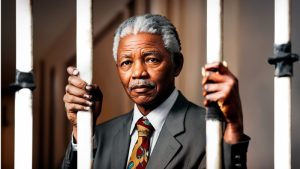
The expression newborn liberty reflects the central theme of Long Walk to Freedom: the long and difficult struggle to achieve equal rights and human dignity. Mandela’s journey included political activism, imprisonment and years of opposition to apartheid. He spent 27 years in prison before his release in 1990.
His election as president in 1994 represented an important outcome of that struggle. The freedom that had once seemed distant had become a reality for millions of South Africans. However, Mandela understood that true liberty involved more than ending an oppressive political system.
In the chapter, he also explains that both the oppressed and the oppressor need freedom. His understanding of liberty was not based on giving one group power over another. Instead, he wanted a society in which no person had to live under discrimination or fear. This idea makes newborn liberty an important symbol of democracy, equality and human rights.
Frequently Asked Questions (FAQs)
Q1. Why does Mandela address the freedom as newborn liberty?
Mandela calls South Africa’s freedom newborn liberty because the country had recently established democratic rule after decades of apartheid. The expression represents a new beginning in which people of all races could enjoy equal political rights and live with dignity.
Q2. What is the meaning of newborn liberty in Long Walk to Freedom?
Newborn liberty means newly achieved freedom. In Mandela’s speech, it refers to the beginning of democratic government in South Africa after the end of apartheid and the hope for a more equal society.
Q3. Why was South Africa’s freedom considered newborn in 1994?
South Africa’s freedom was considered newborn because its first democratic, non-racial elections had only recently taken place. The country was entering a new political phase after years of racial segregation and white minority rule.
Q4. What did Nelson Mandela say about the future of South Africa?
Mandela hoped to build a democratic country where people of all races could live together peacefully. He wanted South Africa to be free from racial discrimination and based on justice, equality and human dignity.
Q5. What is the main message of Nelson Mandela’s Long Walk to Freedom?
The main message is that freedom, equality and human dignity are worth fighting for. Mandela explains that true freedom cannot exist while people are oppressed and that building a fair society requires mutual respect and reconciliation.
Wrapping Up
Nelson Mandela used the expression newborn liberty to describe the beginning of South Africa’s democratic freedom after decades of apartheid. The word “newborn” symbolised a fresh start for a country that was moving away from racial segregation towards equal citizenship. It also reflected his hope that the newly established democracy would develop into a society where everyone could live without discrimination or fear.
Understanding why does mandela address the freedom as newborn liberty gives you a clearer picture of the historical significance of his inauguration speech. For Mandela, the achievement of freedom was not the end of the struggle. It was the beginning of a new responsibility to build a country founded on equality, justice and respect for all.