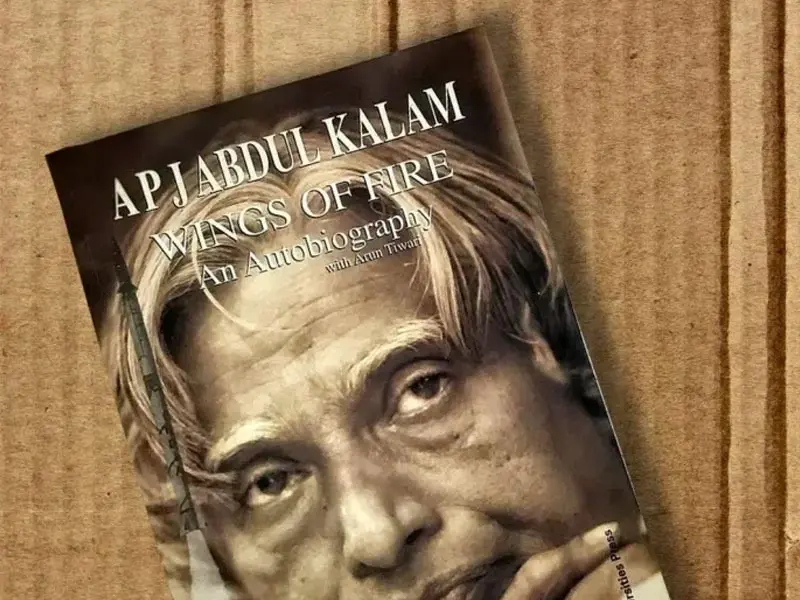
Prepare effectively for exams with this comprehensive strong roots mcq guide. This set of multiple-choice questions covers APJ Abdul Kalam’s childhood, family values, and the lessons he learned from his parents, as described in the chapter Strong Roots from Wings of Fire. By practicing these MCQs, you can strengthen your memory of important events, key characters, and moral teachings while improving accuracy and confidence for board exams or competitive tests. Whether you are revising for Class 12 English or preparing for other assessments, this collection of strong roots mcq ensures a thorough understanding of the chapter and its timeless life lessons.
60 Strong Roots MCQ Questions with Answers
Q1. Who wrote Strong Roots?
a) Rabindranath Tagore
b) R.K. Narayan
c) APJ Abdul Kalam
d) C. Rajagopalachari
Answer: c)
Q2. Strong Roots is an excerpt from which book?
a) My Journey
b) Ignited Minds
c) Wings of Fire
d) India 2020
Answer: c)
Q3. Where was APJ Abdul Kalam born?
a) Chennai
b) Rameswaram
c) Hyderabad
d) Bangalore
Answer: b)
Q4. Which state was Rameswaram a part of at Kalam’s birth?
a) Karnataka
b) Kerala
c) Madras State
d) Andhra Pradesh
Answer: c)
Q5. What kind of family was Kalam born into?
a) Poor and destitute
b) Rich and aristocratic
c) Middle class
d) Upper class
Answer: c)
Q6. What was the name of Kalam’s father?
a) Abdul Rahman
b) Jainulabdeen
c) Pakshi Lakshmana
d) Ahmed Kalam
Answer: b)
Q7. Which of the following describes Kalam’s father’s education?
a) Highly educated
b) With a university degree
c) No formal education
d) Secondary school only
Answer: c)
Q8. Despite his lack of formal education, Kalam’s father had:
a) Great wealth
b) Political power
c) Innate wisdom and generosity
d) Scientific knowledge
Answer: c)
Q9. What was the name of Kalam’s mother?
a) Zohra
b) Ashiamma
c) Khadija
d) Jaya
Answer: b)
Q10. One of Kalam’s mother’s ancestors was given which title by the British?
a) Padma Shri
b) Bharat Ratna
c) Bahadur
d) Rai Bahadur
Answer: c)
Q11. How many outsiders did Kalam’s mother feed daily?
a) Very few
b) None
c) More than family members
d) Only her relatives
Answer: c)
Q12. What was the material of Kalam’s ancestral house?
a) Wood and clay
b) Limestone and brick
c) Concrete
d) Mud
Answer: b)
Q13. Kalam’s house was located on which street?
a) Temple Road
b) Mosque Street
c) Market Street
d) School Road
Answer: b)
Q14. At what time did Kalam’s father start his day?
a) 3 a.m.
b) 4 a.m.
c) 5 a.m.
d) 6 a.m.
Answer: b)
Q15. What did Kalam’s father do after morning prayer?
a) Went to market
b) Took a walk to a coconut grove
c) Did household work
d) Read a book
Answer: b)
Q16. Which profession did Kalam’s father follow?
a) Farmer
b) Boat owner and imam
c) Teacher
d) Shopkeeper
Answer: b)
Q17. What value did Kalam’s father emphasise strongly?
a) Wealth accumulation
b) Generosity and spiritual strength
c) Fame and power
d) Education above all
Answer: b)
Q18. What kind of life did Kalam’s father lead?
a) Luxurious
b) Simple and austere
c) Politically active
d) Highly educated
Answer: b)
Q19. What did Kalam’s father avoid in his lifestyle?
a) Prayer
b) Luxuries and comforts
c) Helping others
d) Community work
Answer: b)
Q20. What belief did Kalam’s father hold about human difficulties?
a) They are punishments
b) They are meaningless
c) They are tests or opportunities
d) They should be ignored
Answer: c)
Q21. According to Kalam, prayer helps in:
a) Gaining wealth
b) Becoming powerful
c) Overcoming fear and selfishness
d) Fame and recognition
Answer: c)
Q22. What attitude did Kalam’s father have toward superstitions?
a) He believed in blind rituals
b) He rejected superstitions
c) He encouraged them
d) He was indifferent
Answer: b)
Q23.How did Kalam describe his physical appearance as a child?
a) Tall and handsome
b) Short and undistinguished-looking
c) Strong and athletic
d) Elegant and stylish
Answer: b)
Q24. Which word describes Kalam’s childhood environment?
a) Insecure
b) Lonely
c) Secure, materially and emotionally
d) Chaotic
Answer: c)
Q25. How did people of different faiths behave during times of trouble, according to Kalam?
a) They went to doctors
b) They went to courts
c) They visited his father for advice
d) They ignored their problems
Answer: c)
Q26. According to Kalam, his “strong roots” refer to:
a) Political mentors
b) Material wealth
c) Simplicity and moral values at home
d) Formal education
Answer: c)
Q27. What was special about the lineage of Kalam’s mother?
a) It was humble
b) It was uneducated
c) It was distinguished and honored
d) It was poor
Answer: c)
Q28. Kalam’s father was respected for:
a) Political power
b) Spiritual wisdom
c) Wealth
d) Scientific achievements
Answer: b)
Q29. Which word best describes Kalam’s parents?
a) Arrogant
b) Simple and wise
c) Extravagant
d) Ambitious
Answer: b)
Q30. What is the meaning of the word “austere” as used in the chapter?
a) Stern and unadorned
b) Rich and luxurious
c) Friendly and sociable
d) Loud and showy
Answer: a)
Q31. Who taught Kalam the early lessons in spirituality?
a) His school teacher
b) His father
c) His friend
d) His mother
Answer: b)
Q32. How does Kalam view challenges and adversity?
a) As punishments
b) As opportunities to think and grow
c) As meaningless burdens
d) As problems to run from
Answer: b)
Q33. What was the main personality trait of Kalam’s father?
a) Greed
b) Vanity
c) Generosity
d) Ambition
Answer: c)
Q34. According to Kalam, what should people do when they feel alone?
a) Seek amusement
b) Seek company and pray
c) Run away
d) Be silent and avoid others
Answer: b)
Q35. Kalam says that difficulties make you:
a) Weaker
b) Bitter
c) Reflective and stronger inside
d) Careless
Answer: c)
Q36. What was Kalam’s father’s view about material wealth?
a) It is essential
b) It is temporary and not the greatest good
c) It is necessary for success
d) It is the only measure of success
Answer: b)
Q37. How did Kalam’s family regard prayers?
a) As a burden
b) As a waste of time
c) As a means for inner strength
d) As a path to wealth
Answer: c)
Q38.What is the primary source of income for Kalam’s father?
a) Teaching
b) Farming
c) Boat building and ferrying pilgrims
d) Shopkeeping
Answer: c)
Q39. Where did Kalam’s father take him after his morning prayer?
a) To a school
b) To a temple
c) To a coconut grove
d) To the sea shore
Answer: c)
Q40. What feeling did Kalam get after hearing his father’s spiritual views?
a) Confusion
b) Strange energy and enthusiasm
c) Anger
d) Fear
Answer: b)
Q41. According to his father, humans look for what when alone?
a) Money
b) Amusement
c) Essential things or company
d) Recognition
Answer: c)
Q42. What did Kalam’s father emphasize about prayer?
a) It should be loud and public
b) It should be silent, heartfelt, and personal
c) It should be for gaining power
d) It should be done only on special occasions
Answer: b)
Q43. Which value does Kalam credit to his “strong roots”?
a) Wealth
b) Fame
c) Inner moral strength
d) Political influence
Answer: c)
Q44. What was the nature of Kalam’s parents’ relationship in community life?
a) They were distant
b) They were unrecognized
c) They were respected and ideal figures
d) They were controversial
Answer: c)
Q45. What kind of message does Strong Roots convey about human suffering?
a) Suffering is always unfair
b) Suffering makes one weak
c) Suffering can teach valuable lessons
d) Suffering should be avoided at all costs
Answer: c)
Q46. How did Kalam describe his childhood meals?
a) Rich and lavish
b) Simple, usually rice, sambar, pickle, chutney
c) Rarely with family
d) Spices and exotic foods
Answer: b)
Q47. Who came more often to Kalam’s house for meals?
a) Only family members
b) Only close relatives
c) Outsiders or neighbours more than family
d) Distant acquaintances
Answer: c)
Q48. How is Kalam’s mother portrayed?
a) Strict and cold
b) Generous, caring, deeply spiritual
c) Ambitious and political
d) Ignorant and uneducated
Answer: b)
Q49. What did Kalam learn about human strength from his parents?
a) Physical strength is most important
b) Social status matters most
c) Inner virtues such as faith, humility, and generosity build true strength
d) Only formal education gives strength
Answer: c)
Q50. According to Kalam, what made his childhood secure?
a) Money and possessions
b) Support from friends and school
c) Moral and emotional security at home
d) Travelling often
Answer: c)
Q51. Kalam’s father was known for his:
a) Shyness
b) Generosity and spiritual insight
c) Material ambition
d) Political ambitions
Answer: b)
Q52. Kalam was taught to face problems by:
a) Avoiding them
b) Blaming others
c) Turning inward and reflecting on them
d) Ignoring them
Answer: c)
Q53. What was the religion followed by Kalam’s family?
a) Hinduism
b) Christianity
c) Islam
d) Buddhism
Answer: c)
Q54. What did Kalam’s father do for the community?
a) Organised political meetings
b) Helped people spiritually and morally
c) Built schools
d) Was a businessman
Answer: b)
Q55. Which of the following qualities best describes Kalam’s father?
a) Wealthy
b) Politically powerful
c) Wise and kind
d) Scientific genius
Answer: c)
Q56. How did Kalam’s parents influence his later life?
a) Through wealth inheritance
b) Through moral and spiritual grounding
c) Through political connections
d) Through academic pressure
Answer: b)
Q57. What trait does Kalam particularly appreciate in his mother?
a) Her social status
b) Her financial power
c) Her kindness and hospitality
d) Her academic achievements
Answer: c)
Q58. How did Kalam describe the number of visitors his mother served?
a) Few and rare
b) Only family
c) More outsiders than family members
d) Non-existent
Answer: c)
Q59. What was a key lesson Kalam learned about prayer?
a) It is for show
b) It should be loud
c) It helps to face inner fears
d) It brings instant reward
Answer: c)
Q60. According to Kalam, true strength comes from:
a) Material success
b) Political influence
c) Inner faith, values, and character
d) Physical prowess
Answer: c)
Conclusion
To sum up, practising strong roots mcq is a helpful way to understand APJ Abdul Kalam’s childhood and the lessons he learned from his parents. These questions help you remember important facts, events, and values from the chapter Strong Roots. By going through them regularly, you can improve your accuracy in exams and feel more confident while answering questions. Combining MCQ practice with reading the chapter carefully will make it easier to recall key points. This approach ensures you are well-prepared for Class 12 English or any test that includes this chapter.